


December 2025
Here is the latest from our farm team at Mount Vets. If you would like any further advice or would like us to cover something in the next newsletter, please call us on 01823 662286 or contact us here.
We want to hear your feedback… Leave us a review!
We value your feedback and comments and would appreciate if you could take the time to leave us a review! Please follow the link to share your thoughts.
Ultrasound
By Pippa White
Continuing our diagnostics articles, this week I thought it would be interesting to cover the most common diagnostic technique we use in practice – ultrasound. My favourite farmer description is that ‘it’s like looking at an out of tune tv’, hopefully the fuzzy black and white pictures will make more sense after this! Physics play the vital role in our scanners. The probe (sometimes called the transducer) contains ceramic crystals (piezoelectric crystals) which can produce sound waves when an electric current is applied to them. The frequency used is above the hearing capability of the human ear. These sound waves then spread out through the area being scanned and depending on the density of the tissue they hit are reflected at different intensity.
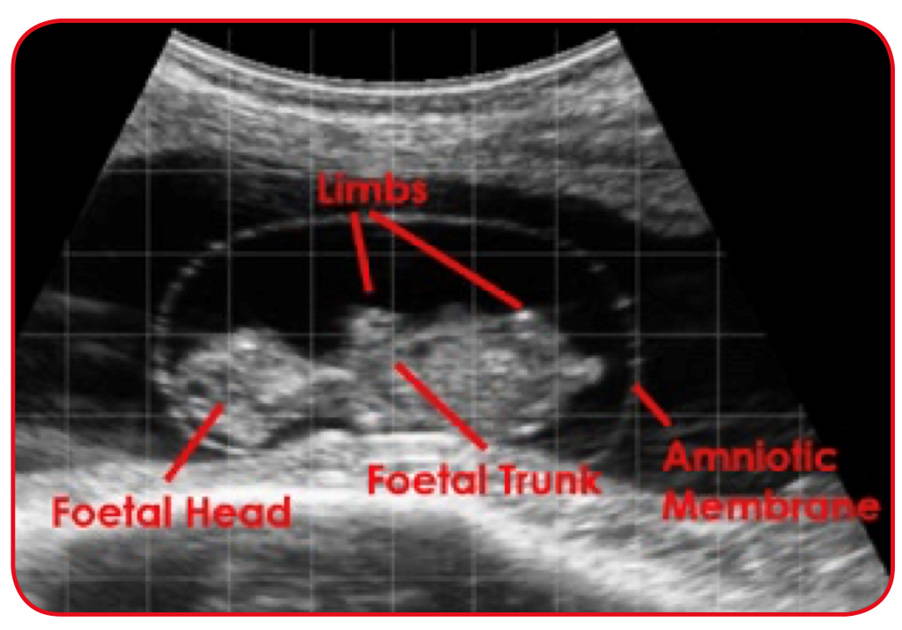
Rather cleverly, the crystals can work in reverse, when a returning sound wave hits them, they can generate an electric current. This current is used to produce a black and white image on the fashionable goggles you see us sporting. The greater the number of sound waves reflected, the stronger the electric signal and the brighter white the image will appear:
White = very solid surfaces such as cartilage or bone, due to most of the sound waves being returned.
Grey = medium return of waves, soft tissues such as the uterus and ovaries are grey.
Black = most commonly fluid, this returns very few waves. Gas will also appear as black on the screen, as the waves are not reflected back by gas at all.
As such, we can pick out certain features of the foetus depending on the age. At 30 days they are the size of a jellybean, but as soon as 40 days when can start to pick out the head and legs. Further into the pregnancy other body features become clearer such as ribs, stomach, small intestine etc. This ability to pick out foetal features means scanning is superior to other ways of diagnosing pregnancy in cattle. We can see the foetal heartbeat from 30 days, meaning we have conclusive proof that the foetus is viable, whereas some of the hormone tests will still remain high for a couple weeks after the foetus has expired.
Ultrasound has uses aside from ascertaining fertility status. When we are uncertain of lumps, we can use ultrasound to examine what the potential contents is – tissue swelling, haematoma or abscess. Additionally, it can be used to examine lung conditions in smaller stock (sheep and calves) to see the extent and nature of lesions on the lungs.
Mount Vets Training Courses
Did you know…we offer a range of training courses and events for aspiring farmers, or experienced farmers looking to add to their skillset.
Some of the courses we offer:
- DIY Artificial Insemination in cattle
- Young Herdsperson course
- Beginners guide to cattle foot trimming
- Lambing courses
- Mastering medicines
- Calf health groups
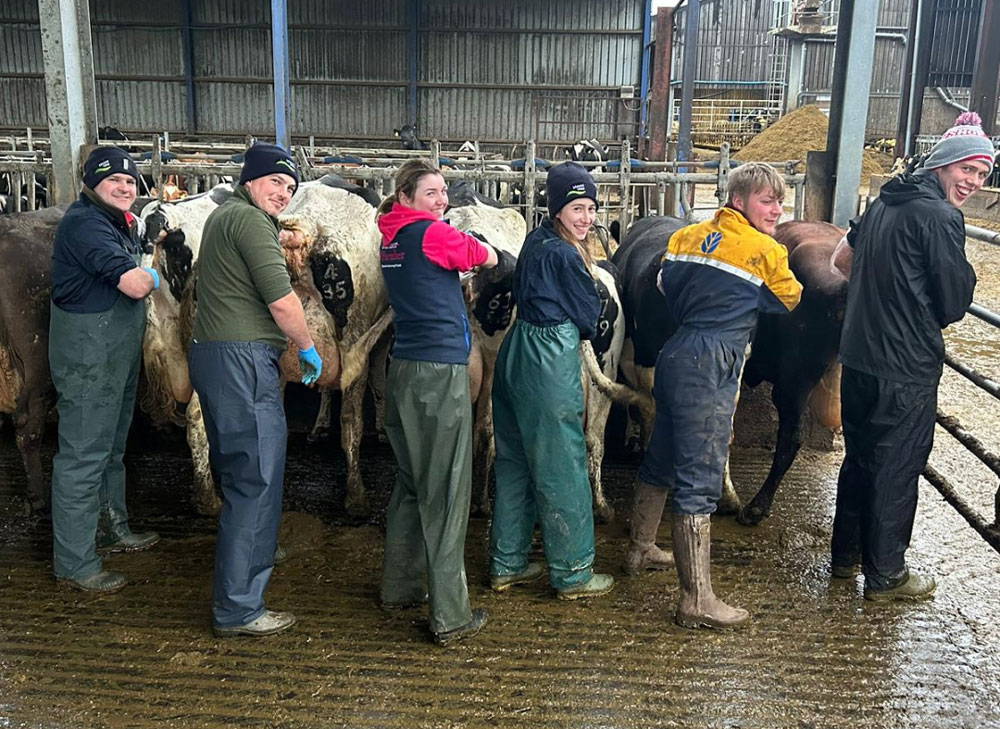
If you would like to see what goes on in our training courses, click the link to watch our Instagram reel: https://www.instagram.com/p/DQr8NpeDJVb/
Preparing for Lambing
Lambing kicks off again soon for the early lambers, so we thought we’d run through a quick reminder on a few things to get the lambing sheds ready to go.
Stocking Density and Feed Face Availability
House ewes around 2 weeks before lambing, though potentially a bit earlier in truly foul weather. Group ewes according to scanning results to allow for more targeted feeding. Pre-lambing pens should allow for 1.2-1.4m2 per ewe of lying area, ensuring good hygiene standards and frequent strawing up. Allow at least 45cm per ewe of trough space for concentrate feeding and 12-15cm per ewe of feed face access to ad lib forage. It is especially important to have adequate trough space for concentrate feeding. Insufficient space can easily lead to intense competition when feeding out. The stronger ewes may muscle their way in and get the lion’s share, potentially leading to subacute ruminal acidosis and digestion issues, while the weaker or smaller ewes may be left with little – increasing the risk of twin lamb disease.
You need at least one lambing pen per eight ewes, each of a minimum area of 1m x 2m. These pens should be mucked out between ewes, disinfecting the floor with hydrated lime before bedding back up generously with clean straw. Ensure clean, fresh feed and water is provided twice daily. Allow a minimum of 2-6 hours bonding time in the pens before turning out into small post-lambing groups for ease of mothering. Turn out when the lambs are fit, full and dry and the weather is reasonable. Turn out into small, sheltered paddocks close to the sheds for easy observation.
A good rule of thumb is to have ready one adopter pen and one isolation pen per 50 ewes.
Colostrum Supply
Of course, the ewe’s own colostrum is best but if she doesn’t have enough or the worst has happened, a good alternative must be at hand for emergencies. Most “colostrum supplement” powder products are effectively little better than milk powders with a bit of yellow colouring in and contain little or no antibodies. We have a very effective freeze-dried calf colostrum product (Calf’s Choice Total 100) made of real colostrum, which are easily made up with warm water into a high-quality colostrum replacer. Some of you may be familiar with this product already for use in calves but we now have a lamb/kid-specific dosing table available on request to make this easier. We would recommend a bag be emptied into clean/dry resealable containers or sandwich bags so as not to leave the bag open and getting damp. One bag will do approximately 6-9 4kg lambs.
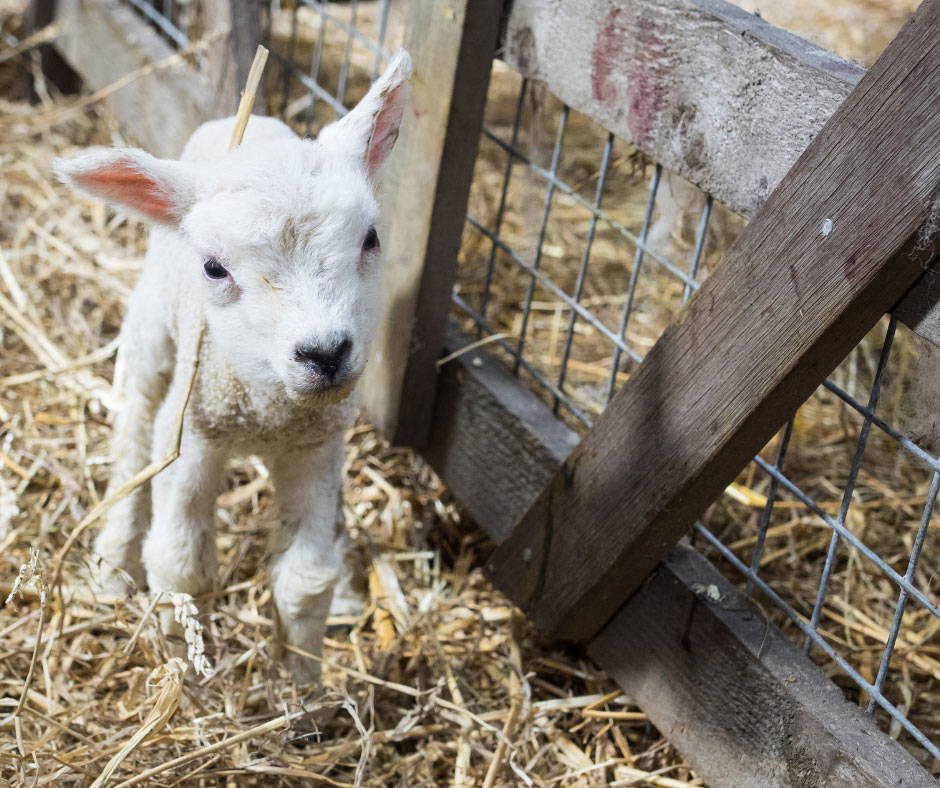
Alternatively, fresh ewe colostrum from a fit, recently lambed ewe (ideally with a well fed single) is a good option. Frozen cow colostrum can also be helpful to have on hand, though it must be from cows with a history of at least two negative Johne’s tests and beware that some cow colostrum contains antibodies that destroy lamb red blood cells – it’s a small risk but one to bear in mind. Also bear in mind that cow colostrum is more dilute than ewe colostrum, so feed an additional 10% over the general rule of thumb: Lambs born indoors need approximately 50ml per kg of birthweight within the first 2 hours of life and a total of 200ml/kg in the first 24 hours of life.
Upcoming courses

DIY Articial Insemiation Course
Our next 4-day DIY AI course will run on 19th, 20th, 22nd & 23rd August 2024.
This DEFRA approved course is aimed at anyone who has no previous experience in the artificial insemination of cows.
The 4-day course is run by our experienced farm vet Rob Mangham and is full of theory and practical sessions to make sure you leave feeling confident and safe in all aspects of AI.
The cost of the course is £500 + VAT, with a £50+VAT deposit to secure your space.
(Deposit will be taken off final amount)
Please ring the practice to book your place on any of our courses on 01823 662286 or email farm@mountvets.com
Meet the Team!
We have an experienced & friendly team here at Mount Vets. You might already recognise a few faces but over the next few months we will reintroduce you to some of our excellent team. To read more and see more of the faces of Mount Vets visit our team page, and be sure to follow us on Instagram and Facebook.

Piers Pepperell
Director
Many of you will already know our Mount Vets Director Piers; but did you know he has appeared on tv show Blind Date with Cilla Black?
Piers loves to spend a free day with his two daughters and three dogs, surfing on the North Devon Coast.
His favourite vet call out was when he was called into the waiting room and unknown to him at the time, but he then met his wife to be. She had brought in her eight baby bunny rabbits, which led on naturally to a 10-minute chat about pig wormers and her asking Piers out on a date.
Pip White
Vet
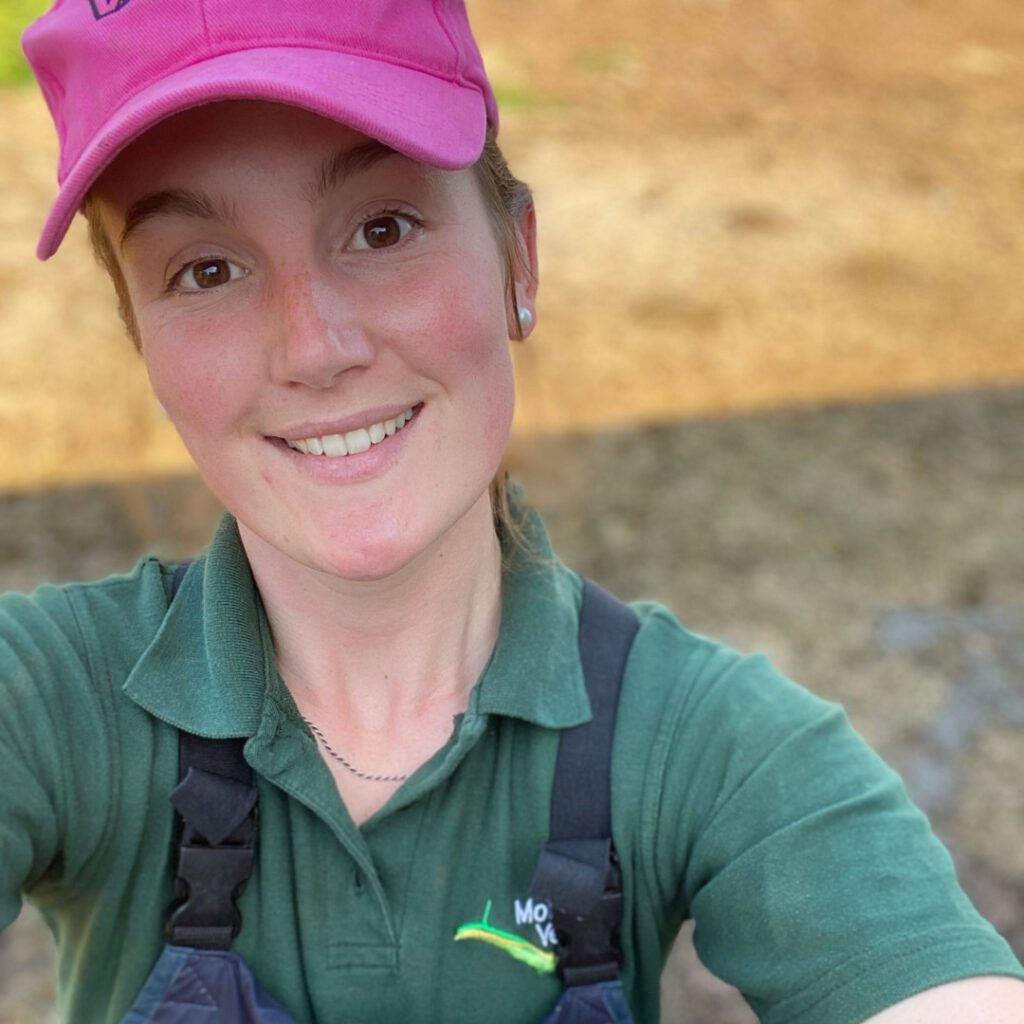
Pip is one of our large animal vets. If you’ve met her, you will probably know how much she loves her cows. So much so, that she loves to spend her free time at home with her cows! That, or in the showring showing them. 🐮
Pip graduated as top student in her year from the University of Surrey.
Her favourite song is Mr Brightside by the Killers.
Have a question about any of the topics covered in this newsletter?
If you need any assistance with the topics covered in this newsletter, please do not hesitate to get in touch with our experienced farm vets who will be able to help. Call 01823 662286, or contact us here.