August 2024
Here is the latest from our farm team at Mount Vets. If you would like any further advice or would like us to cover something in the next newsletter, please call us on 01823 662286 or contact us here.
We want to hear your feedback… Leave us a review!
We value your feedback and comments and would appreciate if you could take the time to leave us a review! Please follow the link to share your thoughts.
Haemonchus
With recent wet and warm weather, there has been a spike the barber’s pole worm (Haemonchus contortus). This parasite rears its head in the back end of summer with warm and wet conditions favouring its emergence. Haemonchus is most common in growing lambs, but adults are affected too.
There are two reasons why adult sheep may not develop adequate immunity to haemonchus.
- Firstly, traditional worming regimes of all year-round worming means sheep will not get adequate exposure to worms to build immunity.
- Secondly, development of infections seems to be sporadic due to larvae development being highly dependent on weather conditions. This means that the threat is not consistent.
This is the one worm that will not give you dirty back ends, as diarrhoea is not a feature of this disease. The main way this worm causes an issue is by damaging the stomach wall and feeding off the blood. Each adult worm can remove 0.05ml of blood per day, which doesn’t sound massive at first, but when infections commonly hit 5000 worms, this is 250ml of blood per day. The average ewe has approximately 4L of blood, signs of shock, collapse and death will show when they have lost 30% of their blood volume. It takes just 5 days to reach this level of blood loss.
The acute presentation happens when sheep graze heavily contaminated ground. Clinical signs are very severe, with rapid breathing and heart rate, collapse and sudden death occurring. One key sign is pale mucous membranes/third eyelid. Chronic infections also occur. As well as anaemia, another classic sign of is bottle jaw (submandibular oedema), which can sometimes be mistaken as a sign of fluke infection.
Diagnosis can be made via post-mortem with direct visualisation of the worms in the abomasum, or through worm egg counts.
Management
- Effective quarantine will help prevent introduction into the flock, this is essential when purchasing new stock.
- Monitor worm burdens with regular worm egg counts (don’t forget, you get 3 of these included in the health group membership!). Higher burdens would indicate possible haemonchus infection, as they are very prolific breeders.
- Checking the condition of your ewes and lambs. BCS scoring will help to identify stock that are struggling.
- Monitoring anaemia is another way of keeping an eye on the possibility of a haemonchus burden. The FAMACHA scale has been specifically designed to do this
This allows strategic dosing of only the affected sheep. By leaving those unaffected, you will decrease the risk of wormer resistance developing, as sheep can be infected by more than one species of worm at the same time.
If you require any advice regarding haemonchus or parasite control in the wider sense, then please do give us a call to speak to a vet.
Fluke Season Has Come Early
(written by Charlie Aldington)
In the last few weeks, we’ve received reports from Starcross of immature fluke being found in sheep as a cause of death on postmortem, which is quite early into the season. The point in the year at which we start seeing immature fluke causing acute disease in sheep is dependent mostly on the weather. Years with a higher-than-average rainfall through spring and summer provide more habitat for the mud snails on which the fluke are dependent for their lifecycle, so with more mud snails come more baby fluke on pasture and earlier in the year. Given that there is typically at least a three-week lag on disease symptoms from picking up these baby fluke, disease popping up in early august tells us that this is likely to be a high-risk autumn for fluke. Mild winters, also make it much easier for the snails to survive the winter, which together with wetter summers are contributing to a change in the dynamics of fluke incidence. In drought years, the dry weather forces the mud snails to hide underground until the rain returns as their habitat dries up, which can be very helpful in reducing the risk of liver fluke later in the summer, autumn and winter. Two consecutive wet summers with a mild winter in between (as we’ve just had) are a recipe for higher fluke risk.
Admittedly, Starcross takes submissions from all over Devon and Cornwall, so its not to say that everywhere is at immediate risk. However, if you have sheep grazing on higher risk pastures, then you ought to be particularly vigilant this year for signs of disease: weight loss, diarrhoea, anaemia, bottle jaw and death.
What do we consider to be high risk pastures? Any with mud snail habitat! Typical mud snail (or ‘flukey’) habitat tends to be areas that become waterlogged and boggy, characterised by rushes and open patches of mud. The snails like wet conditions, but not underwater, bare mud not recently disturbed, and open areas that are not shaded by hedges, trees or long vegetation. Such areas include depressions caused by tractor tyre ruts, poaching and natural landscape features, cleared drainage ditches, banks on the sides of streams or ponds and soft ground around leaking water troughs, taps or broken water pipes. River meadows that are prone to flooding offer the additional risk of having fluke-infected snails washed onto them from other farms upstream – they are excellent floaters.
Medium risk areas of pasture that you cannot avoid using, such as around ponds, drained ditches and muddy riverbanks, can be fenced off to reduce the risk of exposure to fluke cysts on pasture. Leaky troughs or broken water pipes should be fixed as soon as possible. High risk pastures where problem terrain cannot simply be fenced off, such as those with streams running through the middle of them, or those that drain poorly with extensive rushes growing, would ideally not be used for grazing sheep from late summer onwards, apart from in very dry years. If possible, use these types of meadows for grazing second season and adult cattle as they are much less likely to suffer acute disease and can instead be treated for chronic fluke during housing if necessary.
Testing for fluke at this point in the year (late summer and autumn) can be tricky as there won’t yet be any adult fluke laying eggs for us to find on dung sampling, and likely won’t be many until November at least. Postmortem any sudden or suspicious deaths, as it is possible to find scarring on the liver at this stage from immature fluke burrowing through the liver. Otherwise, we are dependent on blood testing first season calves or lambs for fluke antibodies to try and detect exposure – but this can be quite hit and miss.
Remember that the only flukicide which can kill immature fluke at this early stage in the season is triclabendazole, so use products containing this for treating and controlling fluke in consultation with your vet. As we progress further into autumn and winter, we are more likely to be dealing with late immature and mature fluke which can be treated effectively with other products which are often cheaper. Triclabendazole products should be used only during the autumn months and when fluke is known to be on farm, as resistance to this product leaves you with no other option for treating acute fluke.
New Forest Eye
(written by Charlie Aldington)
This summer, as usual, we have seen many cases of New Forest Eye, also known as Infectious Bovine Keratoconjunctivits. It is probably the most common eye condition that we see in cattle, especially through the summer months.
New Forest is caused by a bacteria called Morexella bovis and is spread by nuisance flies. It can be highly contagious and multiple animals in a group are often affected. Other conditions that cause damage to the eyes of cattle include:
- Foreign body – blackthorn, grass seed, pieces of straw
- Silage eye – caused by Listeria infection
New Forest is very painful and will disrupt normal grazing behaviour of cattle, especially younger animals who seem to be more predisposed to infection. Bright sunlight, with high UV light, leads to more pain in affected eyes.
Treatment is focused on prompt identification followed by anti-inflammatories and effective antibiotic therapy. Topical antibiotics can be used in the early stages of the disease process, when there is a small white dot present on the surface of the eye. If there is more generalised whiteness/redness to the eye, or if there are any signs of an ulcer on the surface of the eye, systemic antibiotics will be required. Intramuscular injections of long acting oxytetracyclines are often effective. Occasionally, antibiotic injection into the conjunctiva around the eye may be used.
One treatment option that we have been using more regularly is stitching of the third eyelid over the surface of the eye. This provides extra protection to the eye and can be a very effective treatment option for more severe cases.
Prevention centres around reducing the burden of flies around cattle. Early treatment in the year with fly control is essential to control the overall population. As our winters seem to be getting warmer and wetter, we will be seeing flies around earlier and earlier. Starting fly control around Easter time may reduce the fly population early enough and could even lead to less treatment later in the year.
Update to the Animal Health and Welfare Pathway
(written by Charlie Aldington)
The Animal Health and Welfare Pathway (AHWP) has expanded its funding program into its second phase: the “follow up” phase, which allows for further funding for endemic disease testing off the back of a “review”. Bear with me, as it requires a bit of clarifying…
- A “review” under the scheme is what you would have had already up to this point, if you have already participated. Within a ten month period of your last “review”, you can now apply for a “follow up” visit (more details below) for endemic disease testing.
- You must have completed a “review” visit and have had the claim reimbursed before applying for a “follow up” within the subsequent ten months. If its been more than 10 months since your “review” visit, then you will need to complete another “review” (which is the same process as last time) before you can then access the “follow up” endemic testing packages.
- Within the three year period, you can apply for up to 3 “reviews” and 3 “follow ups”, with at least ten months between each “review” and each “follow up” .
For sheep (minimum 21):
- The “review” visit (£436 available) requires a faecal egg count reduction test to test the efficacy of a wormer for on-farm resistance. After this, we have some money leftover with which to consult on disease, productivity and welfare issues on farm and write a report detailing a farm-specific plan for combating these issues.
- The “follow up” visit (£639 available) is much more generous and gives us almost free reign to investigate essentially any disease or production-limiting conditions we want to. This is done under the banner of one of 7 “health packages” to choose from: ewe condition, reproductive performance, lamb performance, neonatal lamb survival, external parasites and lameness. The list of issues we can investigate is far too long for this article, but we can do anything from trace element testing in lambs to iceberg diseases like Maedi Visna in ewes.
For beef cattle (minimum 11):
- The “review” visit (£522 available) requires a BVD youngstock check test to look for evidence of recent BVD exposure. After this, we have some money leftover with which to consult on disease, productivity and welfare issues on farm and write a report detailing a farm-specific plan for combating these issues.
- The “follow up” visit funding depends on the results of this check test. A positive check test, implying that BVD is likely present on-farm, allows a budget of up to £837 to conduct a PI hunt in order to identify and euthanise these persistently infected animals. To anyone who has had to fund their own PI hunt after a positive check test in the “review” phase, I can only apologise but we had absolutely no idea that this follow up funding was in the pipelines! Agonisingly, PI hunts cannot be retrospectively claimed for and must have occurred after applying for the “follow up” funding.
- A negative check test gives access to a £215 pot for a vet to visit the farm and provide (another) farm-specific BVD control and biosecurity plan.
For dairy cattle (minimum 11):
- Stay tuned as the “follow up” phase has not yet been launched.
Upcoming courses
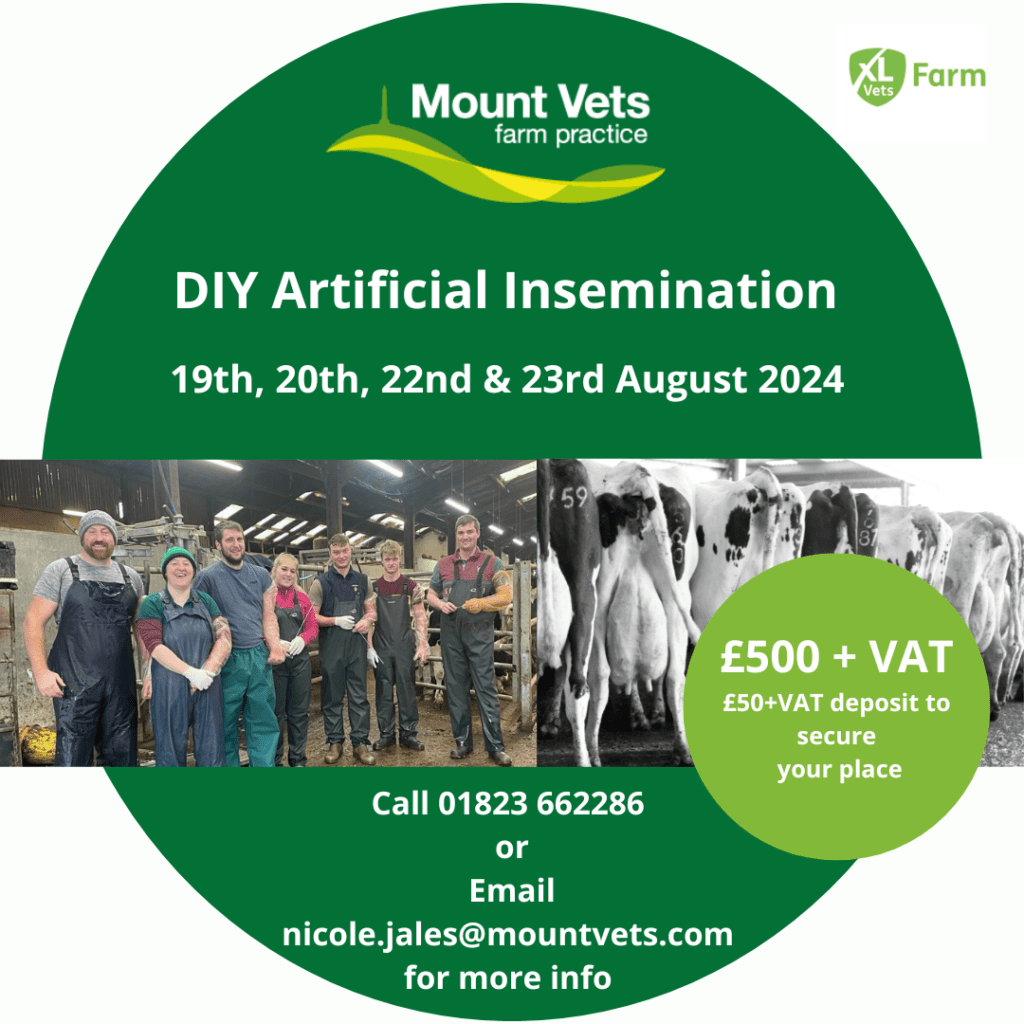
DIY Articial Insemiation Course
Our next 4-day DIY AI course will run on 19th, 20th, 22nd & 23rd August 2024.
This DEFRA approved course is aimed at anyone who has no previous experience in the artificial insemination of cows.
The 4-day course is run by our experienced farm vet Rob Mangham and is full of theory and practical sessions to make sure you leave feeling confident and safe in all aspects of AI.
The cost of the course is £500 + VAT, with a £50+VAT deposit to secure your space.
(Deposit will be taken off final amount)
Please ring the practice to book your place on any of our courses on 01823 662286 or email farm@mountvets.com
Meet the Team!
We have an experienced & friendly team here at Mount Vets. You might already recognise a few faces but over the next few months we will reintroduce you to some of our excellent team. To read more and see more of the faces of Mount Vets visit our team page, and be sure to follow us on Instagram and Facebook.
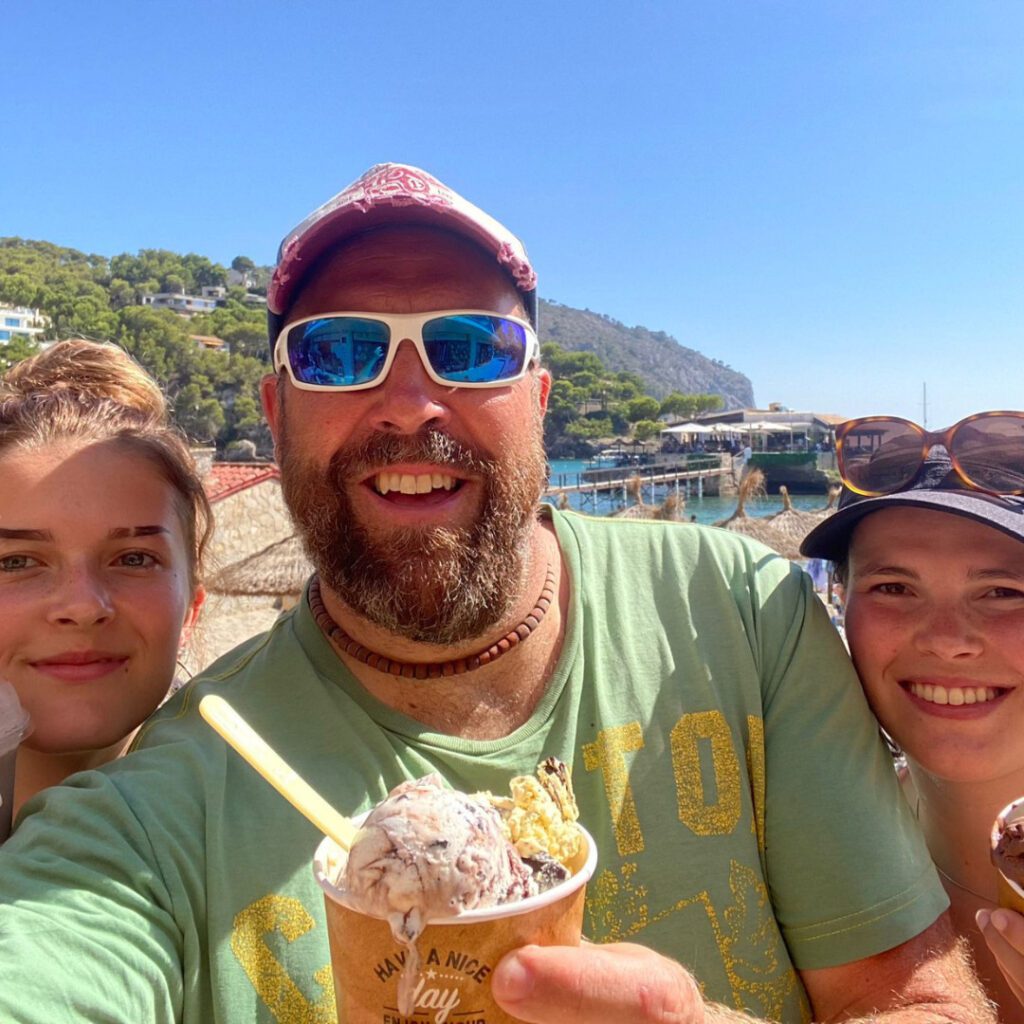
Piers Pepperell
Director
Many of you will already know our Mount Vets Director Piers; but did you know he has appeared on tv show Blind Date with Cilla Black?
Piers loves to spend a free day with his two daughters and three dogs, surfing on the North Devon Coast.
His favourite vet call out was when he was called into the waiting room and unknown to him at the time, but he then met his wife to be. She had brought in her eight baby bunny rabbits, which led on naturally to a 10-minute chat about pig wormers and her asking Piers out on a date.
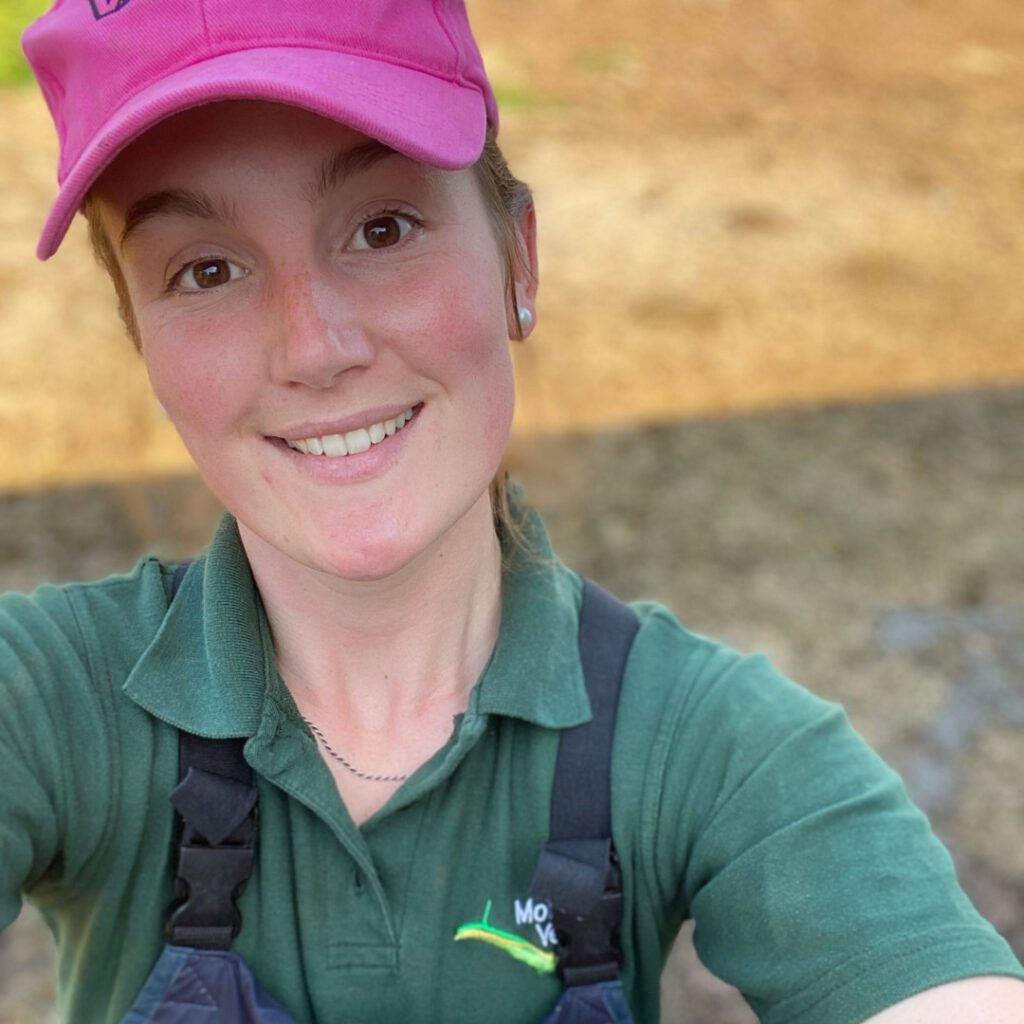
Pip White
Vet
Pip is one of our large animal vets. If you’ve met her, you will probably know how much she loves her cows. So much so, that she loves to spend her free time at home with her cows! That, or in the showring showing them. 🐮
Pip graduated as top student in her year from the University of Surrey.
Her favourite song is Mr Brightside by the Killers.
Have a question about any of the topics covered in this newsletter?
If you need any assistance with the topics covered in this newsletter, please do not hesitate to get in touch with our experienced farm vets who will be able to help. Call 01823 662286, or contact us here.