Skip to content

Farmer’s Newsletter – May 2025

Share this newsletter

May 2025

Here is the latest from our farm team at Mount Vets. If you would like any further advice or would like us to cover something in the next newsletter, please call us on 01823 662286 or contact us here.

We want to hear your feedback… Leave us a review!

We value your feedback and comments and would appreciate if you could take the time to leave us a review! Please follow the link to share your thoughts.

https://g.page/r/CTSyP_UXvSPIEAI/review

Culture And Sensitivity

Next in the diagnostic testing series is bacterial culture and sensitivity. Most will think this method is only applicable to dairy cows with mastitis, but bacterial culture and sensitivity can be used in many other instances. For example, if a swab is taken from lungs affected by pneumonia at postmortem, culture and sensitivity will be able to provide guidance as to the most suitable antibiotic. It’s also used in disease outbreaks such as Salmonella infections to again direct our antibiotic choice to those that will work against the bacteria.

Firstly, a representative sample must be taken, any contamination will skew the sample leading to misleading results. So, for milk samples this means clean teats, clean gloves, sterile pot and good sampling technique.

The sample is then sent to the lab where they will ‘plate it up’. What this means is they will dip a sterile inoculation loop into the sample, and then gently drag it across the surface of the growth plate. The plate is then turned, and the loop is streaked again over the surface. The aim is to pick up smaller amounts of bacteria each time, and as you work around the plate the number of bacteria streaked onto the plate will get less. This means that once grown, individual colonies can be picked out for identification and further testing.
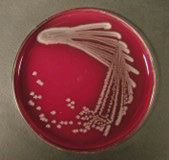
The plates that bacteria are grown on can vary in ingredients depending on what they are trying to find. Colouring agents are included which change in appearance depending on what the bacteria use as part of their metabolism. Other factors used for colony identification of the species include the colour and texture, conditions they can grow in (air versus no air), even the smell!

Once the above culturing is completed, the sensitivity testing is carried out. The isolated bacteria are then put on a plate alongside discs that are impregnated with the different types of antibiotics. Again, the plates are incubated to encourage bacterial growth and after a number of days checked to see progress. If the bacteria is resistant, it will be able to grow right up to the disc. Whereas if sensitive, the antibiotics will hold the bacteria at bay, preventing any further progress towards the discs. It is these antibiotics which we will use.
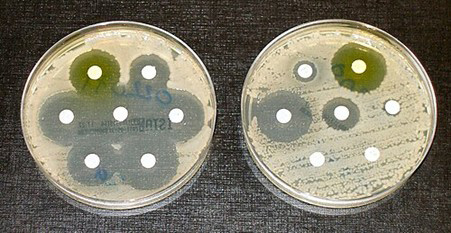
This is the main advantage of culture and sensitivity compared PCR testing (discussed last time). Furthermore, it will allow growth and identification of a range of species under the same test, rather than having to request different tests for different species. The main downside to culture and sensitivity is the delay associated with the time required to allow bacterial growth.

If you wish to discuss this diagnostic test and applicability to your stock, please call us and have a chat with a vet on how it could work best for your farm.

Lungworm

Written by Pippa White

With the grazing season in full swing, we may soon start seeing cases of Lungworm cropping up in cattle. The main risk period is between July and October, and grazing seasons can have more favourable conditions for the parasite leading to variation in severity between years.

Causes

Bovine lungworm is caused by the parasite Dictyocaulus viviparus and is also known as “Husk”. Infective larvae are eaten by cattle and then migrate through the gut to reside as adults in the lungs and airways. This migration causes damage leading to the clinical signs shown by infected cattle. The adult lungworm produces eggs which are coughed up and swallowed. The eggs hatch inside the gut of the cow and are passed out as larvae onto the pasture. These larvae then develop into their infective stage very quickly and can lead to rapid contamination of the pasture.

Clinical Signs and Diagnosis

Lungworm is most seen in first season grazers with no prior exposure but should be considered in any cattle out at grass who are showing signs of a persistent cough. Early signs include coughing after exercise and an increased breathing rate. This may develop into coughing even when resting, loss of condition and milk drop in dairy cows. If animals with no immunity are exposed to pasture with high levels of contamination, sudden death can occur.

We can diagnose Lungworm on dung samples; it is a different technique to a normal worm egg count that we can run overnight or send off to our external laboratory. A glove full of fresh dung is a good sample size.

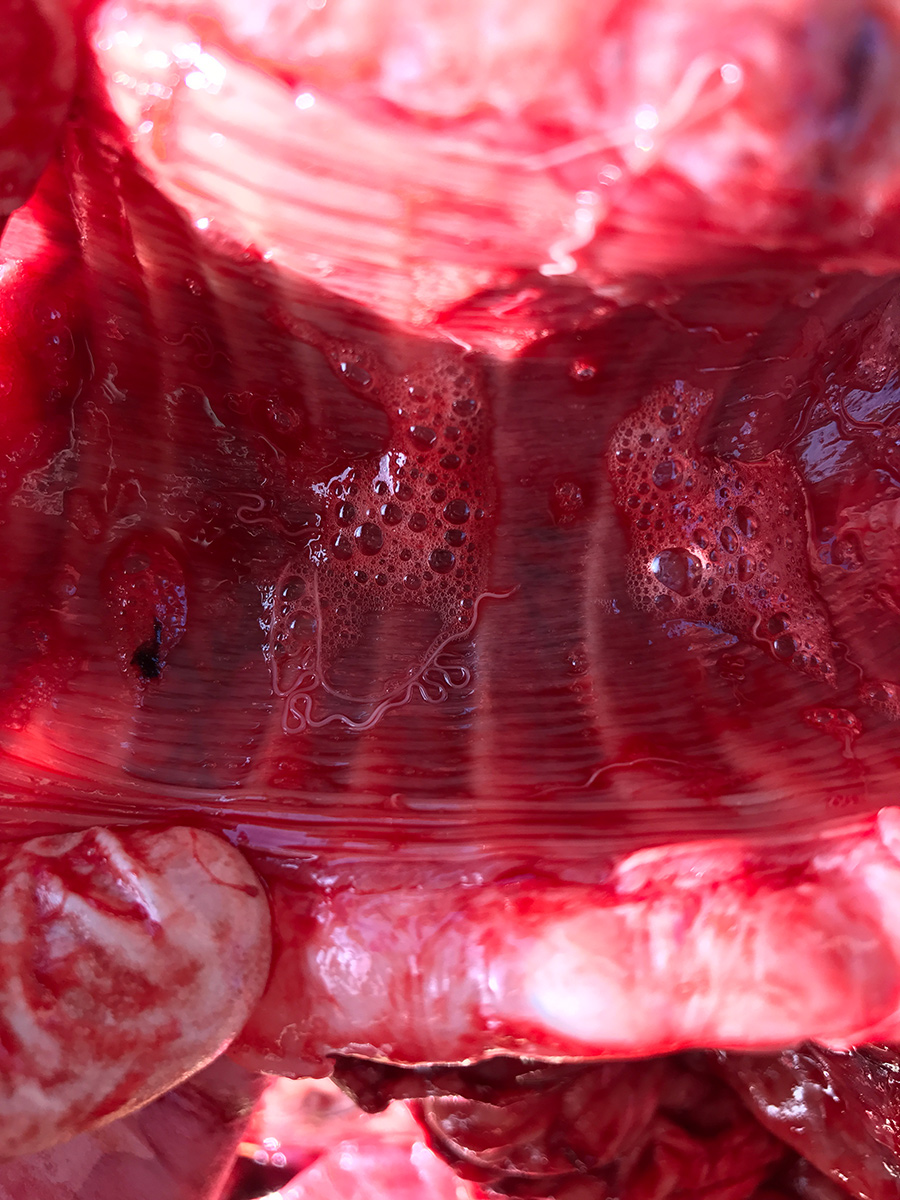
A presumptive diagnosis can also be reached based on farm history, clinical signs being shown and response to treatment. Lungworm larvae can also be found in the airways of dead animals.

Treatment

Most of the wormers in use at the moment are effective against Lungworm in the UK, these include the yellow and clear drenches. Where there is an outbreak in a group, all animals within that group should be treated. Animals showing signs of severe respiratory distress should be examined by a vet before treatment. Treatment of animals with heavy burdens can lead to mass die off and a large inflammatory response. We can mitigate this by treating with anti-inflammatories such as Metacam or a steroid alongside the wormer if necessary.

Prevention 

Where the is no history of Lungworm on farm, care should be taken to avoid introducing it with bought in animals. There should be a quarantine protocol in place, where bought in animals are isolated from home stock and treated with an effective wormer before being introduce to clean pasture.

On farms with a history of Lungworm, vaccination can be an effective method of control.  First season grazers should receive a course of vaccination before turnout to provide protection for the grazing season. Second season grazers can also be affected if they were not exposed during their first grazing season and therefore did not develop any immunity.
Upcoming courses
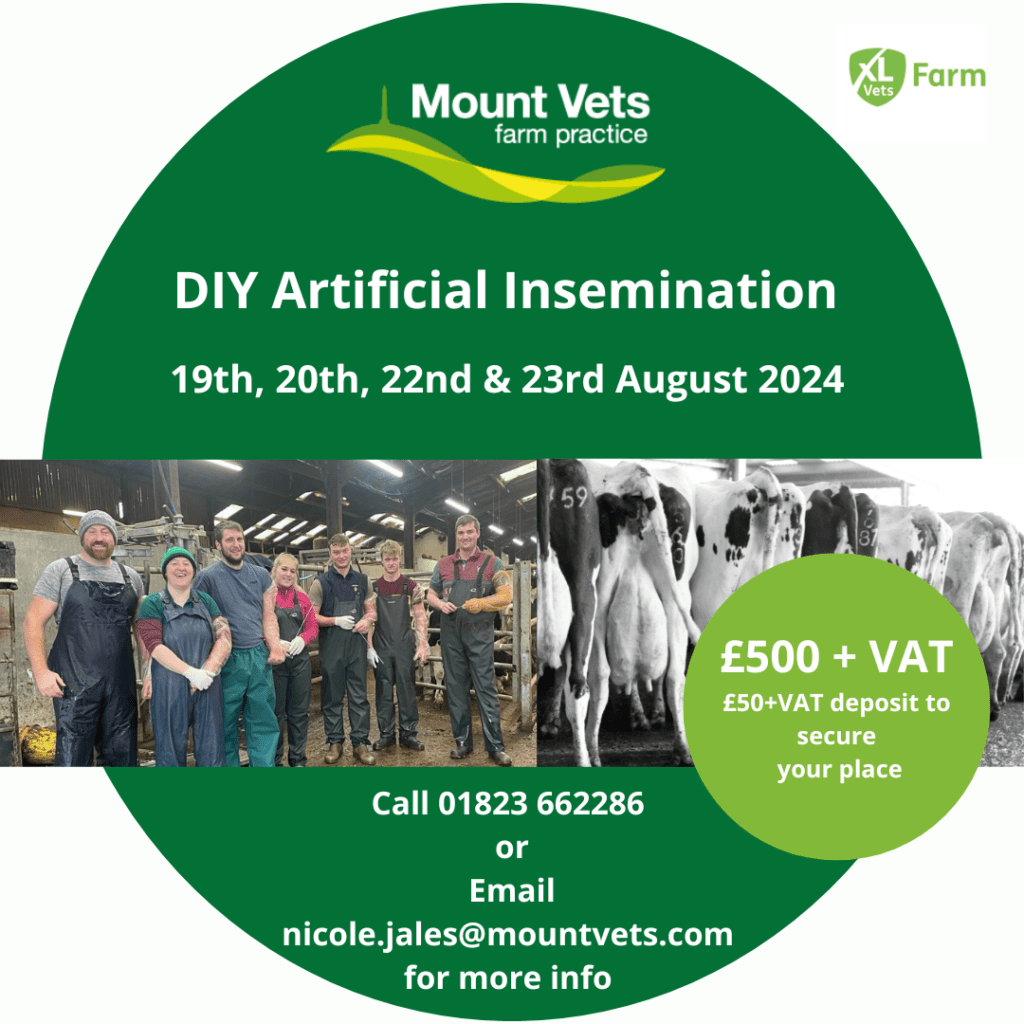
DIY Articial Insemiation Course

Our next 4-day DIY AI course will run on 19th, 20th, 22nd & 23rd August 2024.

This DEFRA approved course is aimed at anyone who has no previous experience in the artificial insemination of cows.

The 4-day course is run by our experienced farm vet Rob Mangham and is full of theory and practical sessions to make sure you leave feeling confident and safe in all aspects of AI.

The cost of the course is £500 + VAT, with a £50+VAT deposit to secure your space.
(Deposit will be taken off final amount)

Please ring the practice to book your place on any of our courses on 01823 662286 or email farm@mountvets.com

Meet the Team!

We have an experienced & friendly team here at Mount Vets. You might already recognise a few faces but over the next few months we will reintroduce you to some of our excellent team. To read more and see more of the faces of Mount Vets visit our team page, and be sure to follow us on Instagram and Facebook.
Piers Pepperell

Director

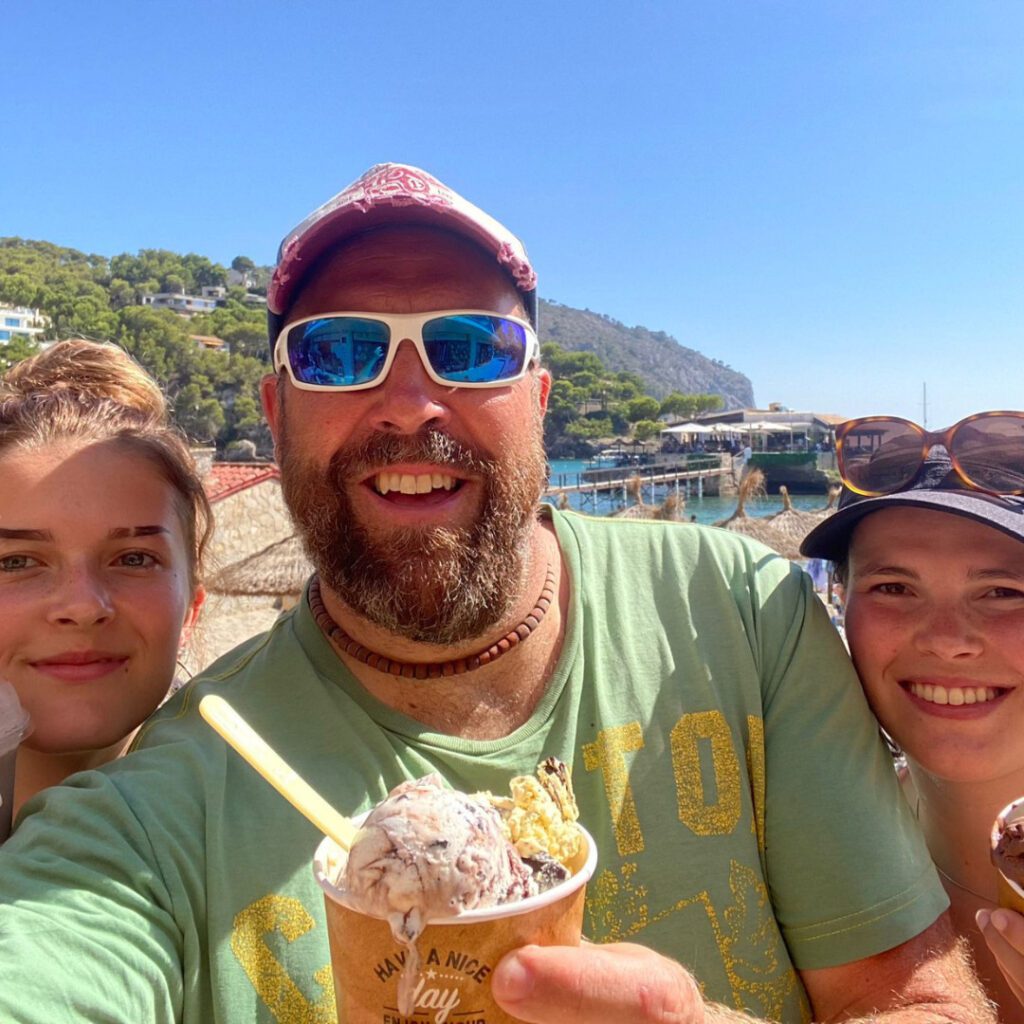
Many of you will already know our Mount Vets Director Piers; but did you know he has appeared on tv show Blind Date with Cilla Black?

Piers loves to spend a free day with his two daughters and three dogs, surfing on the North Devon Coast.

His favourite vet call out was when he was called into the waiting room and unknown to him at the time, but he then met his wife to be. She had brought in her eight baby bunny rabbits, which led on naturally to a 10-minute chat about pig wormers and her asking Piers out on a date.
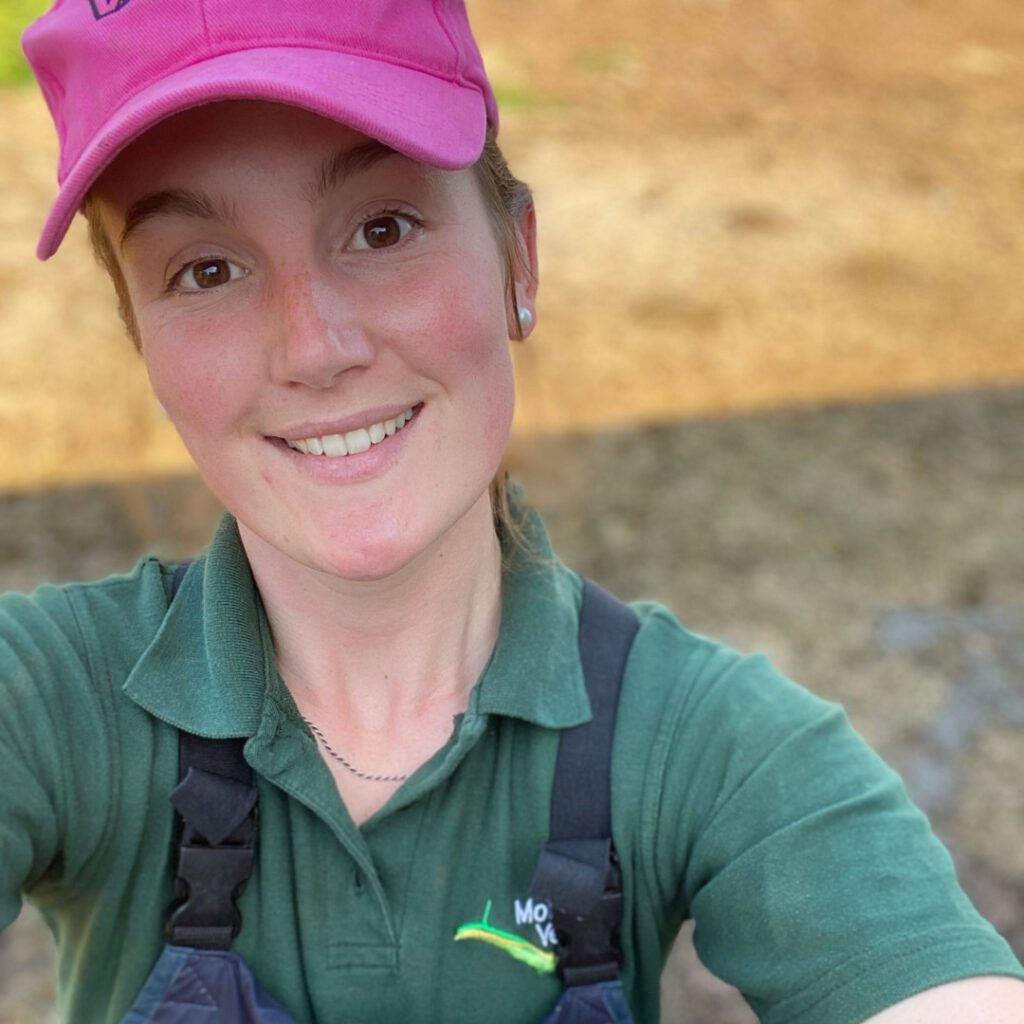
Pip White

Vet

Pip is one of our large animal vets. If you’ve met her, you will probably know how much she loves her cows. So much so, that she loves to spend her free time at home with her cows! That, or in the showring showing them. 🐮

Pip graduated as top student in her year from the University of Surrey.

Her favourite song is Mr Brightside by the Killers.

Have a question about any of the topics covered in this newsletter?

If you need any assistance with the topics covered in this newsletter, please do not hesitate to get in touch with our experienced farm vets who will be able to help. Call 01823 662286, or contact us here.
Share this newsletter

Continue Reading...

Export Services

Mount Vets Limited is a leading UK provider of export certification and advice to companies involved in the export of POAO (Products of Animal Origin) abroad, including dairy and meat based foods.

If you would like to find out more about the services that we offer, then please click the link:  https://www.mountvets.com/export-services/ 

Backyard Poultry

We have many years of experience dealing with non-commercial, backyard poultry of many species, including, chickens, ducks, peafowl, geese and quail.

We offer a friendly and personable service for your feathered friends; with either an initial face to face or telephone consultation, as well as a range of diagnostics, routine preventative care, health supplements and courses to help you learn more about the care of your pets.

If you’re interested in this service please contact us or call 01404 841011

Smallholdings and Pet Farm Animals

‘All creatures great and small’. At Mount Vets we welcome all sizes of flocks and herds, from the single pet cow, pair of potbellied pigs, to the well-loved gang of retired sheep. If you love your animals and want to learn more about them, then we’re the vets for you.

If you’re interested in this service please contact us or call 01823 662286

Dairy Goats and Camelids

Goats, Alpacas and Llamas make up a significant part of the landscape in the South West. At Mount Vets, we ensure that they receive the right level of experienced veterinary care.

If you’re interested in this service please contact us or call 01823 662286

Embryo Transfer

Mount Vets offers a domestic embryo flushing (MOET technique), implanting and storage service. We are excited to aid our clients in the genetic progression of their herd.

If you’re interested in this service please contact us or call 01823 662286

Milk Sample Culture and other Laboratory Testing

The practice has been proudly culturing its own mastitis milk samples for over a decade. Our own laboratory services allow us to produce results quickly with a high level of quality control.

If you’re interested in this service please contact us or call 01823 662286

Cattle and Sheep Parasitology

We work closely with our clients to ensure effective parasite control with the minimum use of chemical wormers.

A full parasite identification service is available through the practice.

In addition, we now offer training to clients to teach them to perform their own worm egg counts from home.

If you’re interested in this service please contact us or call 01823 662286

Beef & Sheep Group

The Beef Health Group is a collection of progressive farmers who meet regularly and champion vet involvement and knowledge sharing between farmers in their enterprises.

If you’re interested in the Beef Health Group please contact us or call 01823 662286

Mount Vets Training

The practice prides itself on a long history of providing training courses, with members of the team receiving awards and external recognition for their teaching. The breadth of courses is vast and growing.

Check out our Courses and Events below:

Youngstock Health and Rearing

A good start to life is the key to success. The practice offers guidance on all aspects of youngstock rearing, from disease control to nutrition. We are also proud to support a thriving youngstock focus group for our farmers.

If you’re interested in this service please contact us or call 01823 662286

Lameness

Lameness in cattle and small ruminants is a huge welfare and production concern. Mount Vets work collaboratively with farmers and foot-trimmers to tackle this challenge. Regular courses and continued support is available to farmers looking to take on their own foot trimming, or just sharpen their skills.

If you’re interested in this service please contact us or call 01823 662286

Mastitis Management and Dynamic Parlour Testing

Our vets use a combination of team discussion, milk sampling, statistical analysis and dynamic parlour testing to address mastitis challenges. We work closely with our farmers on this and many other topics. Best results are achieved as a team. Ask us about our dynamic parlour testing, its amazing what you might learn about your own parlour!

If you’re interested in this service please contact us or call 01823 662286

Cow, Bull and Ram Fertility

We run extensive investigations into dairy cow, suckler, bull, ram and ewe fertility. Services range from semen assessment, to cow/ewe reproductive health and in-depth data analysis. The combination of statistics, lab samples, client discussion and preventative medicine allows us to make huge inroads into our clients’ fertility challenges.

If you’re interested in this service please contact us or call 01823 662286

Herd and Flock Health Planning

Proactive health and production management is our aim. We are heavily involved in all aspects of herd and flock management, comprising regular fertility visits, preventative medicine planning, detailed computer analysis, Red Tractor and many other farm assurance schemes. Our range of services exist to suit individual needs.

If you’re interested in this service please contact us or call 01823 662286

Vaccination Programmes

One of our primary aims is to provide a preventative health care package to suit your business. With the use of antibiotics under scrutiny we must look at alternatives in order to improve birds health. Part of this strategy is to use vaccines carefully and effectively in order to reduce the impact of disease.

We provide detailed comprehensive programmes to commercial pullet rearers right down to an occasional vaccine at the back yard level. Accurate diagnosis of diseases is an important part of this strategy and having the wider picture of diseases that are prevalent in a particular geographical location also helps to formulate a preventative vaccination program.

If you’re interested in this service please contact us or call 01404 841011

Post Mortems and Laboratory Services

Our detailed post mortems are mainly carried out at the Colliton Barton branch but we can arrange for birds to be dropped at any of our premises where they will be transported to us. If you are not within easy travelling distance then our office will also organise our courier to collect your birds from your farm and deliver them to us on a next day delivery basis as long as they are packaged correctly. (see below).

By special arrangement with our Colliton office, we can also carry out post mortems at our main surgery at Wellington. We have an onsite laboratory working 7 days a week where we carry out various diagnostic tests such as bacteriology, parasitology etc. This speeds up our process of providing accurate treatments and preventative advice. We also organise salmonella testing for the National Control programmes for all species.

If you’re interested in this service please contact us or call 01404 841011

Please enclose a letter sealed in a grip tight plastic bag with a submission form (that can be downloaded from this web site) giving a detailed history of the problem including number of deaths over the last week, feed and water consumption, any weight information or production data including egg quality for layers.

  1. Wrap the birds several times in newspaper or paper towel so that any discharges from the birds will be absorbed.
  2. Place the dead birds into a strong plastic bag.The birds should either be frozen or fresh dead with a cool pack next to them. Seal with tape or cable tie.
  3. Place this plastic bag in another strong plastic bag. Seal as before.
  4. Place the birds and bags into a strong cardboard box packed with paper surrounding them.
  5. Seal the cardboard box well in all directions with packaging tape.
  6. Write on the box with a permanent marker our address in capital letters.
  7. Also write ‘PATHOLOGICAL SAMPLES – HANDLE WITH CARE’ with the permanent marker

Medicines & Alternatives

We have a comprehensive pharmacy that stocks all your poultry and game bird needs that is open 7 days per week during office hours. If you need any products or medicines urgently out of hours then we can arrange for you to collect from a locked cupboard with a combination lock which is situated outside the Colliton branch surgery.

We also produce nosodes that are made up for specific site issues and are compliant with organic standards. Antibiotics usage has to be reduced moving forward and hence we stock alternatives to try to support the health of the birds such as probiotics, prebiotics, multi vitamins, acids to improve gut health, water sanitisers to improve water quality.

We also stock a comprehensive range of treatments for supporting the health of our backyard patients.

If you’re interested in this service please contact us or call 01404 841011

Flock Health Plans

Flock health plans are an important part of our preventative health care approach. They are also a necessity for you to comply with the standards set by many of the supermarket/ packer and processor companies.

During our annual visits, we will concentrate on the farm’s performance for the previous 12 months and look at any diseases that have been diagnosed in that period.

Our health plans will then be amended to provide a preventative health care plan for the next 12 months. This will involve a detailed appraisal of your biosecurity. We provide recommendations for tightening this important part of your business with our detailed knowledge of products such as disinfectants, detergents, and rodent, fly and mite control, etc.

If you’re interested in this service please contact us or call 01404 841011

Health Visits

We provide a 24/7 service which means we are able to attend your farm or home at any time. We take strict biosecurity precautions when visiting any of our clients to prevent the spread of diseases. The visit will trigger a report sent to you via email or post and follow up calls or visits as necessary. These are all stored on file for you to access in case you misplace them and need them for audit purposes

If you’re interested in this service please contact us or call 01404 841011

Annual Visits

For your birds at a commercial farm level to be under our care we must attend your site once per year for an annual visit. This entitles us to sign prescriptions and provide medication when we have that working knowledge of your premises and business. We are then compliant with our professional standards set out by the Royal College of Veterinary Surgeons. This visit also ensures that you comply with the common schemes such as Freedom foods BEIC, Red Tractor etc. The visit provides a comprehensive review of your birds’ production and disease which then enables us to produce a health plan together for the next 12 months.

If you’re interested in this service please contact us or call 01404 841011