The end of the school holidays can mean a big change for the whole household. Earlier mornings, packed lunches, school runs and longer periods out of the house can quickly become the new normal.
For pets, though, that change can feel rather sudden.
If your dog or cat has become used to having people around more during the holidays, going back to a quieter house can be an adjustment. Some pets cope perfectly well, while others may show signs of boredom, stress or difficulty being left alone.
The good news? A little preparation can make the transition much smoother. By introducing changes gradually and keeping the parts of your pet’s routine that matter most, you can help them feel secure while the household gets back into its usual rhythm.
Why does going back to school affect pets?
Dogs and cats are creatures of habit, and changes to household routines can affect their behaviour. Dogs are particularly social and may need to learn that being alone is safe and manageable. Cats are generally more independent, but they can still find sudden changes to feeding, playtime, sleep patterns or the amount of company they receive stressful.
A change in routine does not automatically mean your pet will develop separation-related problems. However, it is worth watching how they respond, particularly if they have previously struggled when left alone.
The aim is not to make your pet completely independent. It is to help them feel confident and settled when they cannot be with you.
Start adjusting the routine before the first school day
If possible, avoid going from ‘everyone is home’ to ‘everyone is out’ overnight.
In the days before school starts, begin moving towards the routine you will use during term time. Gradually bring breakfast, walks, playtime and quiet time closer to their usual school-day timings.
For dogs, practice short periods of separation while you are still nearby. This might mean encouraging them to settle behind a baby/pet gate while you work in another room, or briefly stepping outside and returning before they become worried.
Keep increases small. If your dog becomes distressed, go back to an easier stage rather than pushing through it. Current behaviour guidance recommends gradual exposure and rewarding calm behaviour rather than forcing a pet to cope with more time alone than they can manage.
For cats, consistency can be particularly helpful. Keep meals, play sessions and other familiar parts of the day reasonably predictable, while making sure they have quiet places where they can retreat and rest.
How to help your dog cope with alone time
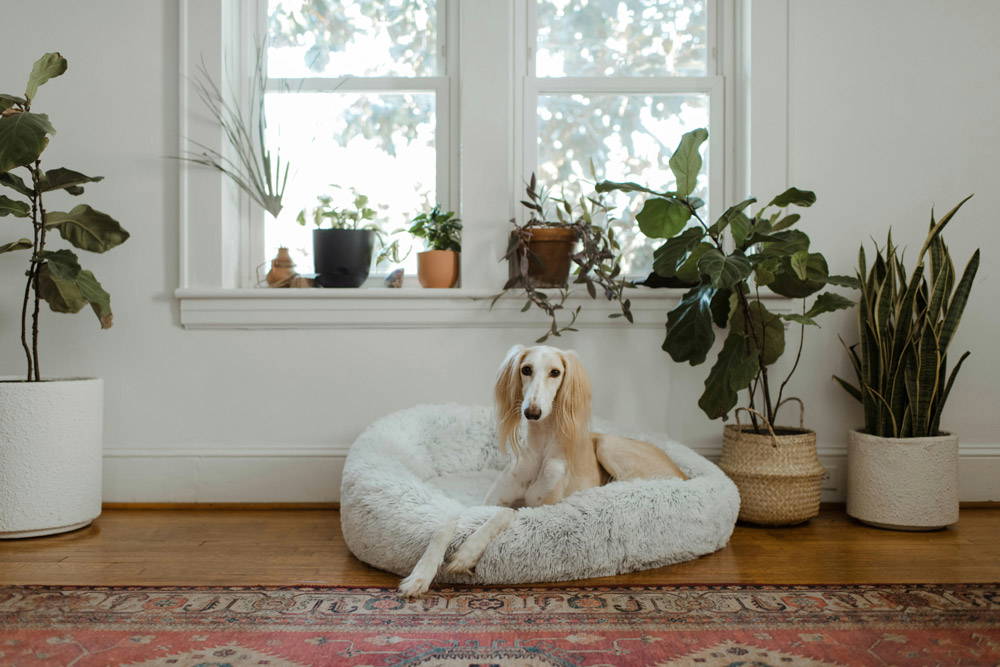
We recommend teaching your dog that being alone can be a positive, predictable experience. This is best introduced gradually, starting with very short periods and increasing the time only while the dog remains relaxed.
Try these practical steps:
- Create a comfortable resting area.
- Practice ‘settle’ time and reward calm behaviour.
- Make leaving and returning calm and low-key.
- Provide appropriate, previously tested enrichment.
- Give your dog a suitable walk and toilet opportunity before leaving.
- Consider a pet camera so you can see what happens when you are out.
- Keep alone time within your dog’s ability.
There is no single ‘safe number of hours’ that suits every dog. Dogs Trust and the RSPCA advise avoiding leaving dogs alone for more than around four hours, with puppies needing much shorter periods and dogs with separation-related problems potentially struggling within minutes.
If the school day means your dog would regularly be alone for longer than they can comfortably manage, consider a dog walker, sitter, trusted family member, neighbour or suitable day-care arrangement.
Signs your dog may be struggling
Not every bark or chewed slipper means separation anxiety. But a pattern of behaviour that happens around departures or while your dog is alone is worth investigating.
Look out for barking, whining or howling; pacing or restlessness; panting, lip-licking or repeated yawning when not tired; scratching at doors or attempts to escape; destructive behaviour; toileting indoors despite being house-trained; refusing food or enrichment they normally enjoy; or becoming extremely unsettled as you prepare to leave.
Some dogs show signs within minutes of being left. Others may show more subtle changes. A camera can help you understand what is actually happening when nobody is home.
Importantly, don’t punish your dog for behaviour that has happened while you were away. If anxiety is involved, punishment can increase fear and make the problem harder to resolve.
How Back-to-School Routines Can Affect Cats
Cats may cope differently from dogs, but they are not immune to routine changes.
A cat that has enjoyed having children around all day may suddenly find the house much quieter. Others may actually appreciate the peace and sleep through most of the day!
Keep the basics predictable. Aim for consistent feeding and playtimes, and make sure your cat has comfortable resting areas, hiding places and opportunities to climb, scratch and explore.
Enrichment can help prevent boredom. Rotate suitable toys, use puzzle feeders for some meals and provide safe places to investigate. Short interactive play sessions before the family leaves can also provide useful mental and physical stimulation.
Watch for increased hiding, changes in eating, toileting outside the litter tray, over-grooming, excessive vocalisation or reduced interest in normal activities. These signs can have many causes, including stress and medical problems, so speak to a vet if your cat’s behaviour changes or you are concerned.
The back-to-school checklist
✓ Start adjusting the routine gradually.
✓ Practice short, calm periods apart.
✓ Keep meals, walks and playtime reasonably predictable.
✓ Give your pet a comfortable, familiar place to rest.
✓ Provide safe enrichment appropriate for their species and individual needs.
✓ Make sure fresh water is available.
✓ Remove hazards that could cause problems while you are out.
✓ Plan who can help if your pet cannot comfortably manage the school day alone.
✓ Use a camera if you are unsure how your pet behaves when left.
✓ Speak to your vet early if you notice worrying changes in behaviour.
When should you contact your vet?
If your pet is suddenly struggling to cope alone, don’t assume they will simply ‘get used to it’. Behaviour changes can have several causes, and pain or illness can sometimes contribute.
For dogs showing possible separation-related behaviour, a vet can help assess the situation and may recommend behavioural support. In more severe cases, veterinary treatment can form part of a wider behaviour plan.
For cats, a change in behaviour should also be taken seriously. Stress can affect cats physically as well as emotionally, and signs such as appetite changes, toileting problems or weight loss deserve veterinary attention.
The earlier you ask for help, the easier it can be to put a plan in place.
A little routine can make a big difference
Back-to-school season is a change for everyone – including the four-legged members of the family.
You don’t need to create a perfect schedule. Focus on predictable routines, gradual changes, positive experiences and making sure your pet’s needs are met while the household is out.
And remember: if your pet is struggling with alone time, this isn’t them being naughty or difficult. They may be telling you that they are worried, bored, frustrated or uncomfortable.
If you are concerned about your pet’s behaviour or wellbeing, speak to our veterinary team. We can help you work out what may be going on and what support your pet needs.