

Parasite Protection for Dogs, Cats & Rabbits in Warmer Months
Summer is a brilliant time to enjoy the outdoors with our pets. Longer walks, garden time, holidays and warmer weather can all be great fun, but they can also increase the risk of parasites.
Fleas, ticks, worms, mites and flies are not just an annoyance. They can cause itching, skin infections, anaemia, allergic reactions and, in some cases, pass on serious diseases. For rabbits, warm weather also brings a particular risk of flystrike, which can become life-threatening very quickly.
The good news is that summer parasite protection does not need to be complicated. With the right routine, regular checks and advice from your veterinary team, you can help keep your dog, cat or rabbit healthy, comfortable and protected throughout the warmer months.
Why summer increases parasite risk
Parasites can be a problem all year round, especially in centrally heated homes, but many become more active in warm, humid weather. Pets may also spend more time outdoors in summer, increasing their exposure to grass, woodland, wildlife, other pets and garden areas where parasites can be picked up.
Common summer risks include fleas, ticks, worms, lungworm in dogs, mites and flystrike in rabbits. Pets who travel, visit kennels or catteries, hunt, scavenge, eat slugs or snails, or mix with lots of other animals may need a more tailored parasite plan.

Flea protection: small parasites, big irritation
Fleas are one of the most common parasites affecting dogs and cats. They can make pets intensely itchy, trigger flea allergy dermatitis and, in heavy infestations, contribute to anaemia – particularly in young, elderly or unwell animals. Fleas can also bite people and lay eggs in carpets, bedding and soft furnishings.
A key point for owners is that seeing one flea usually means there may be many more developing in the home. That is why effective flea control normally involves treating all suitable pets in the household, washing bedding, vacuuming regularly and using veterinary-recommended products correctly.
Cats and dogs must never be treated as if they are the same. Some dog flea products can be highly dangerous to cats, so always use species-appropriate treatment and check with your vet if you are unsure.
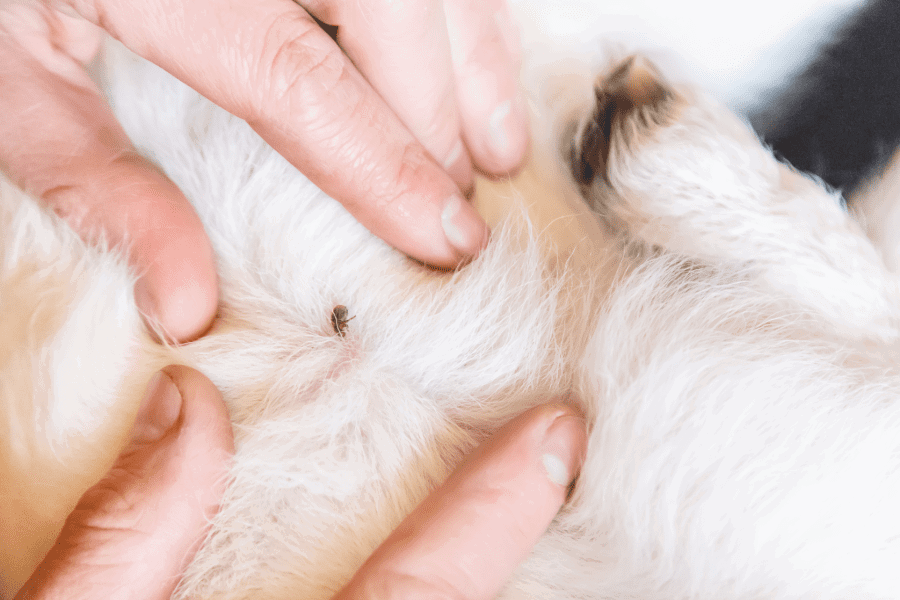
Ticks: check after walks and garden time
Ticks are commonly found in long grass, woodland, heathland and areas with wildlife such as deer, hedgehogs and rodents. They attach to pets and feed on blood, and some ticks can transmit infections.
After walks, holidays or time in the garden, run your hands over your pet and check around the head, ears, neck, armpits, groin, feet and under the tail. If you find a tick, remove it with a proper tick remover rather than squeezing or pulling it with fingers. Leaving mouthparts behind or stressing the tick can increase the risk of irritation or infection.
Dogs who walk in high-risk tick areas may benefit from year-round or seasonal tick prevention. Outdoor cats can also pick up ticks, so ask your vet what is safest and most suitable for your cat’s lifestyle.

Worms and lungworm: prevention is easier than treatment
Roundworms and tapeworms can affect dogs and cats, and some worms can pose a risk to people too. Puppies, kittens, hunters, scavengers and pets fed raw diets may have different worming needs, so a “one size fits all” approach is not always best.
Lungworm is a particular concern for dogs in the UK. Dogs can become infected through contact with slugs, snails or their slime, including from toys, water bowls or grass. Lungworm can cause coughing, breathing difficulties, bleeding problems, lethargy and, in serious cases, can be fatal.
Not all worming products cover lungworm, and treatment schedules vary. Your vet can recommend the most appropriate parasite protection for your dog based on their age, lifestyle and risk.

Rabbit parasite protection: flies, mites and maggots
Rabbits need summer parasite protection too. One of the biggest warm-weather risks is flystrike, where flies lay eggs on a rabbit and the hatching maggots feed on the skin. It is painful, distressing and can become life-threatening in a very short time.
Rabbits at higher risk include those who are overweight, elderly, have dental disease, arthritis, diarrhoea, dirty bottoms, urine scald, wounds or difficulty grooming. However, any rabbit can be affected, including indoor rabbits if flies can get into the home.
Check your rabbit at least twice daily in warm weather, paying close attention to the rear end and underside. Keep housing clean and dry, remove soiled bedding quickly, use fly screens where possible, and speak to your vet about preventative products and regular health checks. If you see maggots, wet fur, a bad smell, wounds, lethargy or your rabbit seems quiet and hunched, contact your vet immediately.

Do indoor pets still need parasite protection?
Often, yes. Indoor cats, house rabbits and dogs who spend most of their time at home can still be exposed to parasites. Fleas can be brought in on clothing, visiting pets or wildlife. Flies can enter homes. Rabbits still need vaccination protection against myxomatosis and rabbit viral haemorrhagic disease, even if they live indoors.
The right level of parasite protection depends on your pet’s lifestyle, not just whether they go outside. Your veterinary team can help you choose a plan that is effective without using unnecessary products.
Our summer parasite checklist for pet owners
Keep your pet protected this summer by building these simple habits into your routine:
- Use vet-recommended flea, tick and worm protection at the correct dose and interval.
- Check dogs and cats for ticks after walks, holidays and outdoor adventures.
- Check rabbits at least twice daily for signs of flystrike during warm weather.
- Keep pet bedding, hutches and living areas clean, dry and well ventilated.
- Do not share parasite products between species, especially between dogs and cats.
- Keep vaccinations up to date, including rabbit vaccinations against myxomatosis and RHD.
- Book a parasite review if your pet has travelled, changed diet, started hunting, or has a new health condition.

How the Active Pet Club can help
Many pet owners find it easier to keep parasite prevention on track when it is included as part of a routine healthcare plan. The Mount Active Pet Health Club is designed to help spread the cost of essential preventative care and support year-round protection for dogs, cats and rabbits.
Aside from parasite prevention, our plan includes a wide range of further benefits all designed to keep your pet in the best of health.